

Pure Orthodontics / FAQ
It's genuinely never too late. About one in four orthodontic patients today is an adult, and as long as your gums and jawbone are healthy, braces or clear aligners can still work well at any age. Treatment might take a bit longer than it would for a teenager, simply because adult bone is done growing, but the results are just as effective.
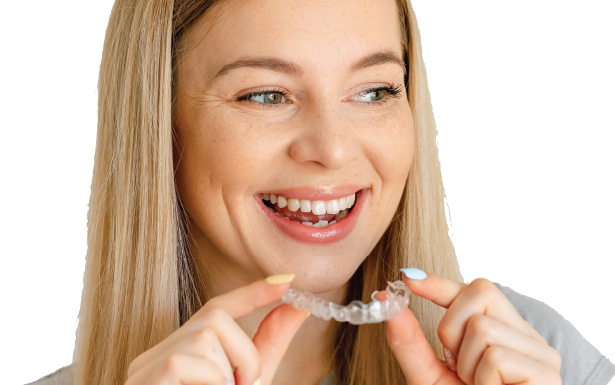
Most adults lean toward clear aligners, ceramic braces, or lingual braces (the kind that sit behind your teeth), since all three are much less noticeable than traditional metal brackets. Which one actually suits you depends on how complex your bite issue is, your budget, and how you live day to day. Aligners work great for mild to moderate cases, while ceramic or lingual braces can handle more complicated corrections while still staying fairly discreet.
Adult treatment tends to run a bit longer than teen treatment, often 18 to 24 months compared to 12 to 18, because fully mature jawbone moves teeth more slowly than a still-developing one. If you've had orthodontic treatment before and your teeth have shifted back, that can also factor into the timeline, along with any gum health considerations your orthodontist wants to keep an eye on.
Discreet options like clear aligners, ceramic braces, or lingual braces let most adults get through treatment without it becoming a talking point in meetings or interviews. Plenty of professionals go through treatment with barely a comment from coworkers. If this is a real concern for you, it's worth bringing up directly at your consultation so your orthodontist can point you toward the least visible option that still fits your case.
Yes, in most cases. Your orthodontist will work with your dentist to plan treatment around any existing crowns, bridges, or implants. Missing teeth usually just mean a bit of extra planning, either to close the gap properly or to hold space for future dental work.
Pricing is usually similar for the same type of treatment. Cost depends far more on the method, whether that's metal, ceramic, or aligners, and how complex the case is, than on the patient's age. That said, some adults need a bit of gum treatment before starting orthodontics, which can add to the overall cost.
The biggest factor is bone density. A teenager's jaw is still growing, which lets teeth move faster, while an adult's jaw has fully set, so movement happens more gradually. Adults are also more likely to be dealing with previous dental work or a relapse from braces they had years ago, both of which factor into the treatment plan.
Yes, and it's one of the most common reasons adults come back to orthodontics. It usually happens when a retainer wasn't worn consistently after the first round of treatment. These touch-up cases are often faster than the original treatment since there's less movement needed, and clear aligners are a popular choice for exactly this kind of correction.